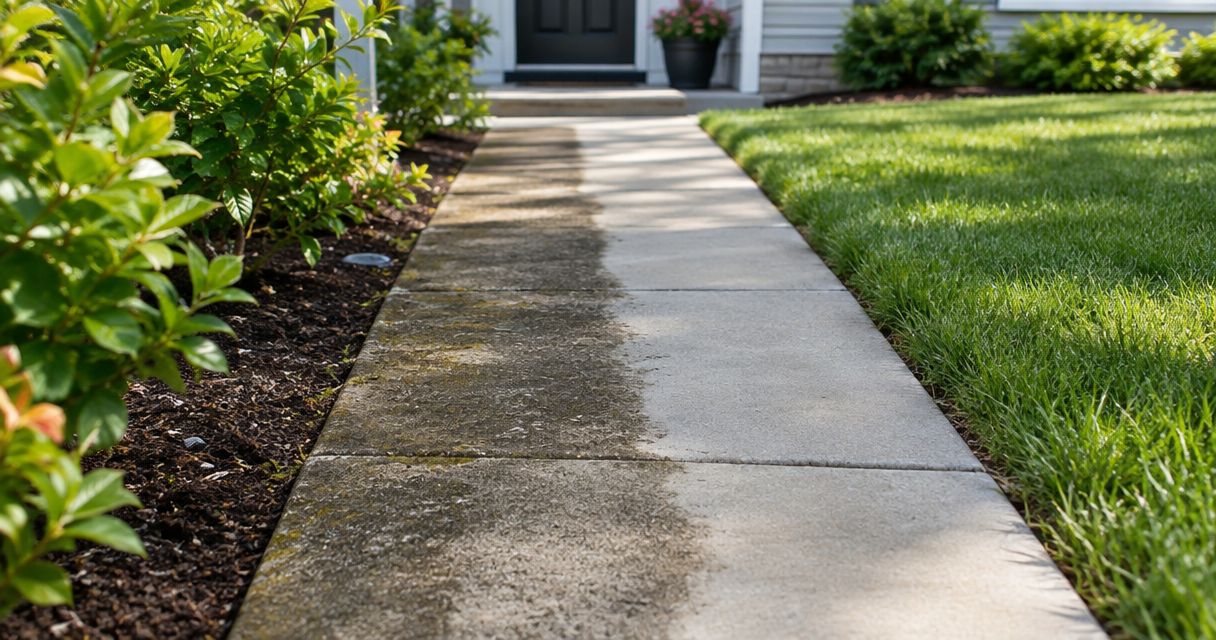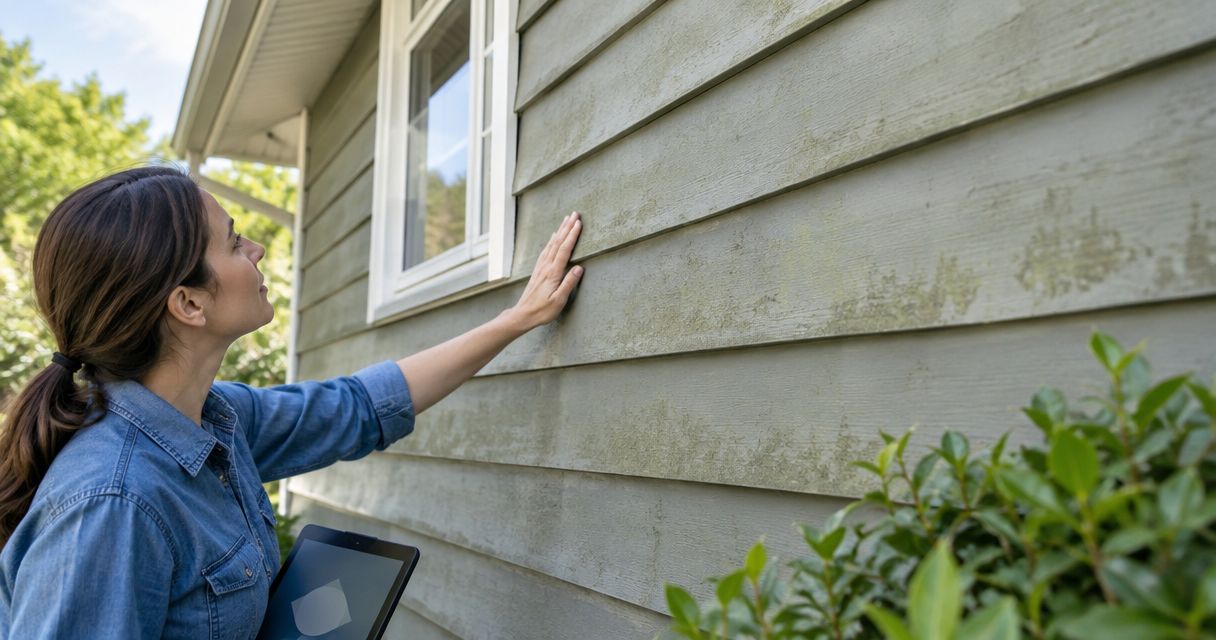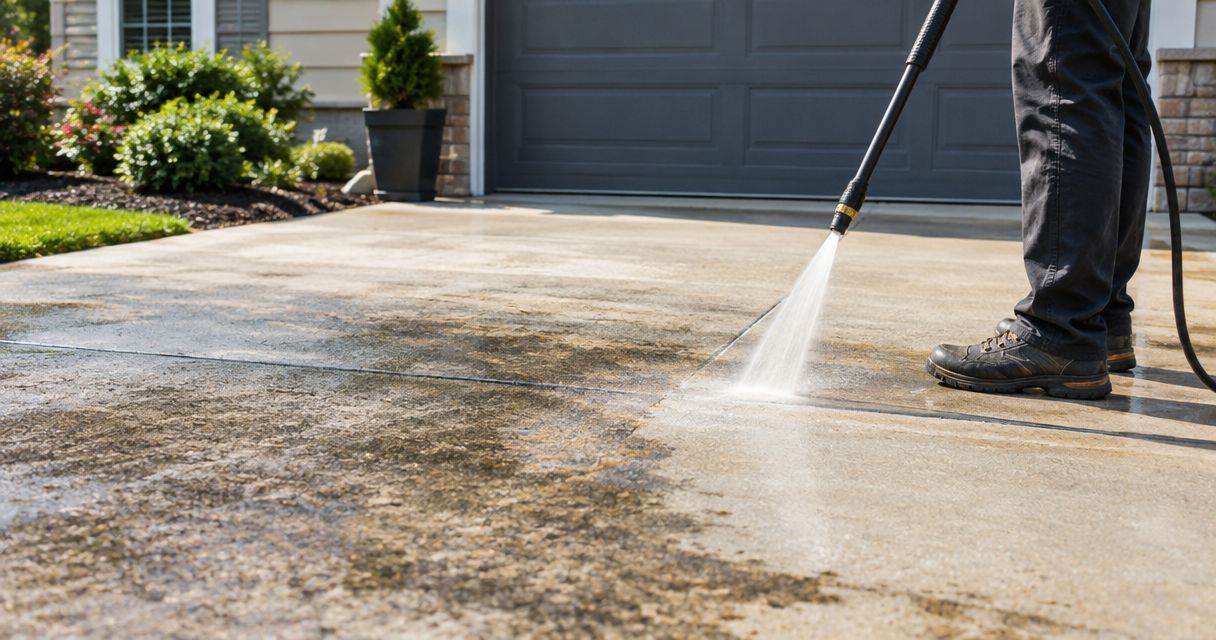
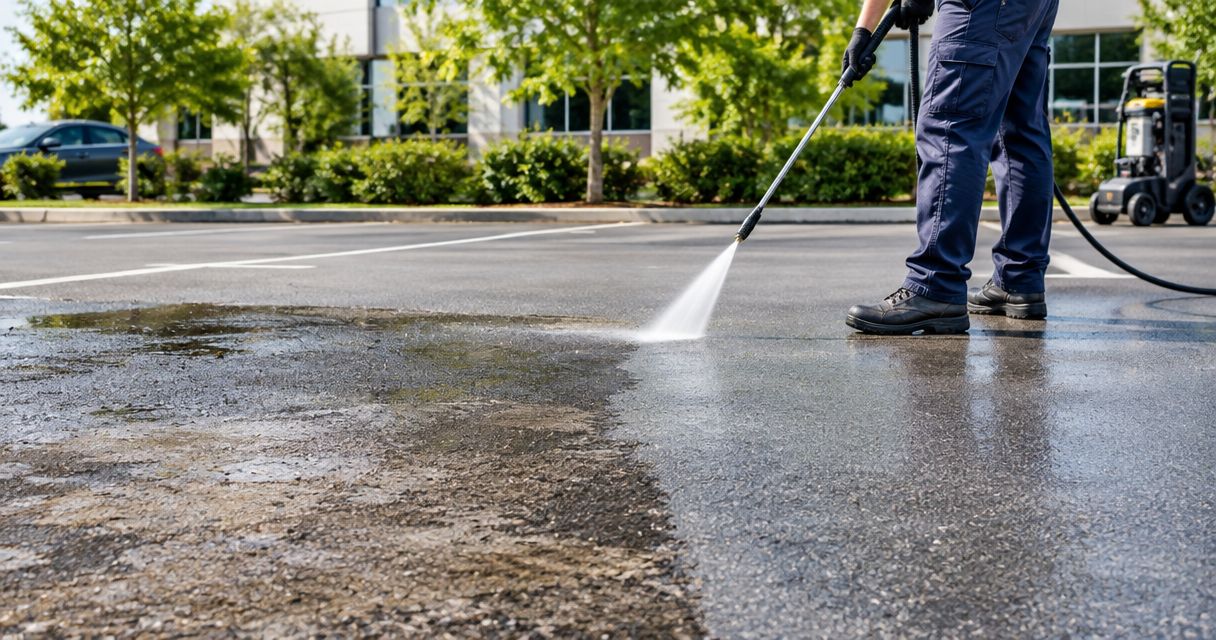
The main signs your parking lot needs pressure washing are slippery-looking buildup, oily patches, dirt-covered walking routes, persistent tire marks, leaf-stained edges, and uneven grime across parking spaces. Prioritize an assessment of walking routes and surface condition before treating the whole lot as a cleaning job.
- Signs your parking lot needs pressure washing include surface buildup, persistent stains, and dirt-covered walking routes.
- E&S Pressure Washing provides commercial concrete cleaning in Callahan, Nassau County, and greater Jacksonville.
- Cleaning does not repair cracks, restore missing markings, or guarantee stain removal.
- For driveway cleaning services or commercial property cleaning, identify the surface and access needs before requesting a quote.
Why this matters
A parking lot can need cleaning, repair, spill response, or a combination of these. Those are different jobs. Treating every dark patch as ordinary dirt creates the wrong expectations before anyone assesses the surface.
For your 2026 property maintenance plan, separate appearance concerns from areas that affect how people enter the building. A stained parking space and a slippery entrance should not receive the same priority.
E&S Pressure Washing is locally owned, licensed & insured, and 5-star rated. Its exterior cleaning services include residential and commercial cleaning for properties in Callahan, Nassau County, and greater Jacksonville. The checks below help you describe the work you need without assuming every surface is suitable for high pressure.
What makes a sign worth acting on?
Use these criteria before deciding whether to request cleaning:
- Location: Give walking routes, entrances, and shared access points attention before isolated appearance issues.
- Surface condition: Identify cracks, loose material, worn coatings, or damaged joints separately from grime.
- Persistence: Note what remains after routine sweeping rather than judging loose debris alone.
- Source: Distinguish accumulated dirt from an active leak, recurring drainage problem, or fresh spill.
- Scope: Identify whether the issue affects concrete, asphalt, painted markings, or several adjoining surfaces.
These criteria rank the signs below by the decision they require, not by stain darkness. A small affected area beside an entrance can need attention before a larger stain in an unused corner.
Parking lot warning signs at a glance
| Sign | Best for identifying | What cleaning can address | Main limitation | Next move |
|---|---|---|---|---|
| Slippery-looking buildup | Walking-route concerns | Surface contamination on suitable materials | Appearance alone cannot identify the substance | Assess the affected route |
| Oily patches | Vehicle-related contamination | Some surface residue and staining | Active leaks and fresh spills need separate attention | Identify the source |
| Dirt-covered walking routes | Entrance and pedestrian-area buildup | Accumulated grime | Cleaning cannot replace missing markings | Separate dirt from wear |
| Persistent tire marks | Appearance concerns in turning areas | Some traffic-related surface marks | Removal depends on the mark and surface | Request realistic expectations |
| Leaf-stained edges | Debris collection near landscaping | Loose debris and some discoloration | Recurring drainage or debris sources remain | Check the surrounding area |
| Uneven grime | Defining a larger cleaning scope | General surface buildup | Damage and weathering can resemble dirt | Map affected surfaces |
1. Slippery-looking buildup: first check for walking routes
A green, dark, or shiny-looking film near an entrance deserves closer attention, especially where people cross between parked vehicles and the building. Do not test a suspect patch by walking across it. Appearance alone cannot tell you whether it is organic growth, oil, standing moisture, or something else.
Describe the location and conditions when requesting an assessment. Include whether the patch stays damp, sits in shade, or appears again after rain; these observations help explain the concern without diagnosing it.
Best for: Owners assessing pedestrian routes at homes, shared properties, and business entrances.
Cleaning advantages:
- Addresses surface buildup where the material and condition permit cleaning.
- Allows the entrance and adjoining concrete to be considered together.
Cleaning limitations:
- Cleaning does not correct a drainage defect.
- A clean appearance is not a slip-resistance certification.
Verdict — Hold: Pause routine use of a visibly suspect area where practical, and arrange an appropriate assessment before assuming washing alone resolves it.
2. Oily patches: identify the source before booking
Dark patches beneath parked vehicles call for a different conversation from general dust. Tell the cleaning provider whether the area contains an old stain, visible residue, or a fresh leak. Do not assume that every dark mark is oil or that pressure alone will remove it.
If a vehicle continues leaking, cleaning the parking space does not stop the contamination. A fresh or unidentified spill also needs appropriate handling rather than simply being washed toward a drain.
Best for: Commercial property managers and homeowners with repeated vehicle-related marks.
Cleaning advantages:
- Targets a defined affected area rather than an unspecified whole-lot problem.
- Creates an opportunity to discuss stain expectations before authorizing work.
Cleaning limitations:
- Embedded discoloration can remain after cleaning.
- Washing does not repair the leaking vehicle or replace spill response.
Verdict — Hold: Identify and address an active source first; request a cleaning assessment for the remaining residue or stain.
3. Dirt-covered walking routes: distinguish grime from worn markings
Look at the route from parking spaces to the door. If dirt has accumulated across sidewalks, entrance pads, or concrete connections, those areas belong in the quote discussion—not just the spaces where vehicles park.
Check painted lines separately. Dirt over a marking and paint that has worn away are different conditions. Cleaning cannot repaint a pedestrian crossing, restore a missing symbol, or establish whether a property meets accessibility requirements.
Best for: Storefronts, offices, shared residential access, and properties with connected pedestrian concrete.
Cleaning advantages:
- Addresses grime along the route people actually use.
- Helps define adjoining sidewalks and entrance areas in the requested scope.
Cleaning limitations:
- Painted and coated surfaces need their own suitability assessment.
- Missing or damaged markings require maintenance beyond cleaning.
Verdict — Hold: Confirm whether dirt or material wear is the main issue, then request the appropriate cleaning or maintenance work.
4. Persistent tire marks: set stain expectations early
Turning areas, parking-space entrances, and frequently used vehicle paths can develop dark traffic marks. If those marks remain after routine sweeping, include close-up photographs with your inquiry.
Avoid using a photograph alone to promise a result. The surface, its condition, and the nature of the mark affect the cleaning decision. Ask what improvement is realistic rather than requesting a guarantee that the pavement will look new.
Best for: Owners concerned about visible vehicle marks on otherwise serviceable concrete.
Cleaning advantages:
- Focuses the discussion on identifiable marks and locations.
- Helps distinguish localized treatment needs from general grime.
Cleaning limitations:
- Some discoloration can remain.
- Aggressive cleaning is not automatically suitable for the underlying material.
Verdict — Hold: Get a surface-specific assessment before approving work based on an expectation of complete tire-mark removal.
5. Leaf-stained edges: check what collects beside the pavement
Leaves, soil, and other debris often collect where pavement meets landscaping, fences, and curbs. After loose material is cleared, discoloration can remain underneath. Photograph both the stain and the surrounding area so the quote request shows the context.
If water repeatedly gathers at the same edge, document that separately. Cleaning deals with surface buildup; it does not redesign drainage or stop leaves from falling onto the pavement.
Best for: Callahan, Nassau County, and Jacksonville properties with landscaped parking edges or shared driveways.
Cleaning advantages:
- Addresses visible buildup along neglected edges.
- Helps define whether nearby concrete belongs in the same requested scope.
Cleaning limitations:
- Staining does not always disappear completely.
- Recurring debris still needs routine property maintenance.
Verdict — Hold: Clear loose debris appropriately, document what remains, and request cleaning where persistent buildup warrants it.
6. Uneven grime: define the full scope before requesting work
When parking spaces look noticeably darker than nearby protected areas, accumulated grime is one possible explanation. It is not the only explanation. Different materials, old repairs, coatings, and weathering also create uneven color.
Separate those conditions in your photographs. For a business, show the parking area and the concrete route to the entrance. For a home or rental property, show whether the driveway and house exterior both need attention so you can ask about a combined scope.
Best for: Owners deciding between localized cleaning and a broader exterior-cleaning request.
Cleaning advantages:
- Encourages a clearly defined work area.
- Lets you ask about related house washing, driveway cleaning, or commercial concrete cleaning together.
Cleaning limitations:
- Cleaning does not make different materials identical.
- Structural wear and old repairs remain separate issues.
Verdict — Hold: Request an assessment of the affected surfaces rather than treating uniform color as a promised result.
How these signs are ranked
Walking-route concerns come first, followed by contamination that needs source identification. Appearance-related marks and broader scope decisions follow. This is a practical inspection order, not a claim that every parking lot needs the same treatment.
For a 2026 inspection, record where each issue occurs and what surrounds it. You will get a more useful conversation from a clear description than from labeling every mark a pressure-washing problem.
Prepare a quote request without guessing the cleaning method
Use this sequence for a commercial lot, shared driveway, or residential parking area. You do not need to choose equipment or chemicals before speaking with a provider.
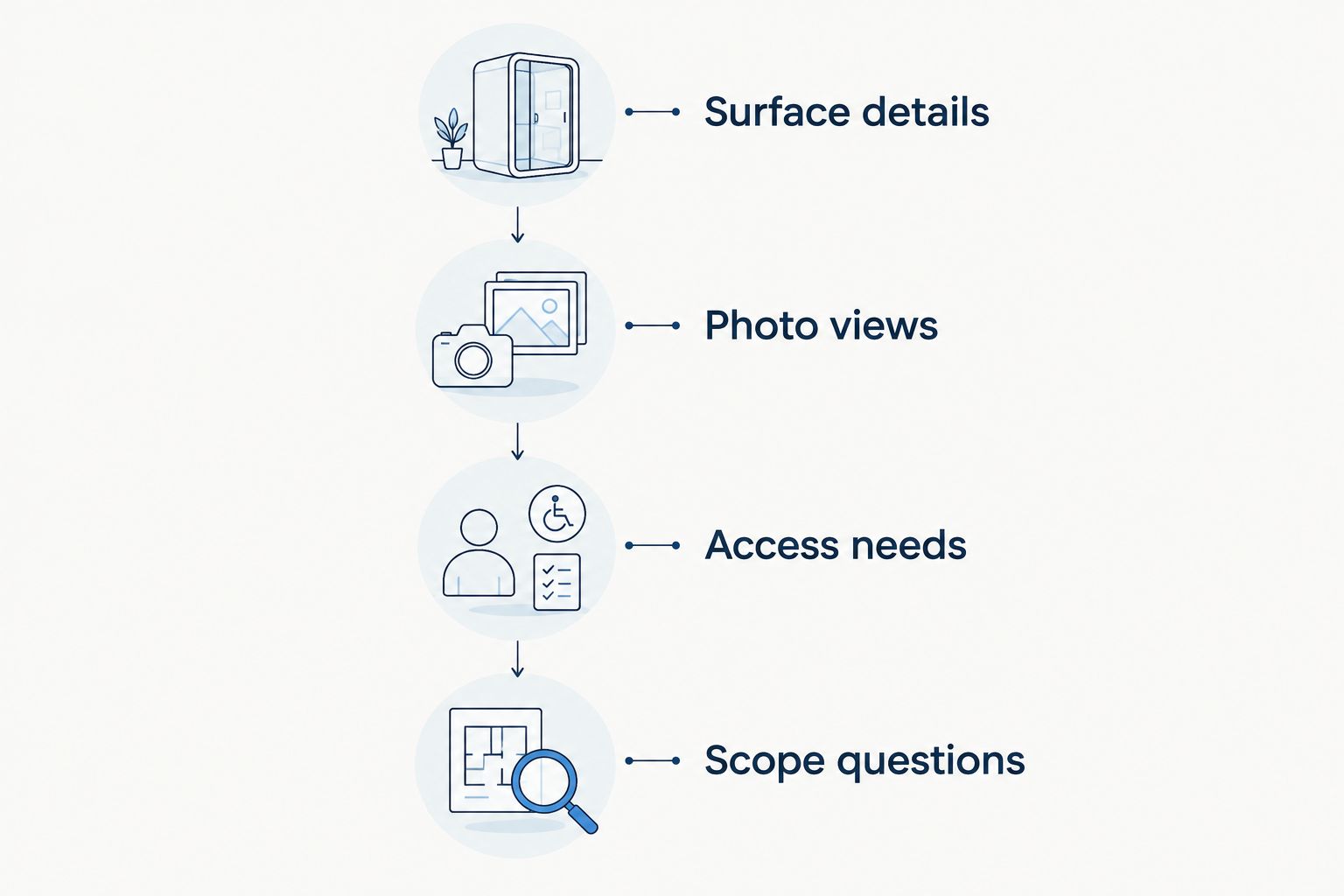
Surface details
Identify concrete, asphalt, pavers, painted areas, and coatings where known. If the area has 2 surface types, list both rather than describing everything as concrete. Mention visible damage and any repair information you already have.
Photo views
Send 3 photo views: a wide view of the work area, a close view of the main concern, and a view showing access. Take photographs from a safe position; do not enter traffic or step onto a suspect surface to capture a better angle.
Access needs
Identify 1 access route that people need to keep using, then ask how the proposed work would affect it. Businesses should describe customer entrances and deliveries; homeowners should describe shared access, parked vehicles, and household entry needs.
Scope questions
Ask which surfaces are included, what is excluded, what stain limitations apply, and how runoff and nearby property will be addressed. These are questions to confirm with a provider, not statements of E&S Pressure Washing's verified operating procedures.
For your 2026 quote request, include the property location and whether you need residential or commercial work. Choose E&S Pressure Washing for a local house, driveway, or commercial concrete cleaning quote. Use the contact page to describe the concern and ask whether the proposed surfaces fit the available service.
FAQ
What are the clearest signs your parking lot needs pressure washing?
Persistent surface buildup, oily patches, dirt-covered walking routes, tire marks, leaf staining, and uneven grime justify a cleaning assessment. First distinguish removable contamination from damage, worn paint, and active spills.
Does a dark parking lot always need pressure washing?
No. Dark areas can reflect dirt, staining, different materials, repairs, or weathering. Identify the surface and condition before choosing a cleaning method.
Can pressure washing remove every oil stain or tire mark?
No. Complete stain removal is not guaranteed, and some discoloration can remain. Describe the mark and ask for realistic expectations before approving work.
Should a damaged parking surface be repaired before cleaning?
Damage needs assessment before cleaning is authorized. Cracks, loose material, and failing coatings can change the appropriate sequence and method; cleaning does not repair them.
Can I request driveway cleaning and house washing together?
Yes. You can ask E&S Pressure Washing to assess house washing and driveway cleaning in the same inquiry. Confirm the included surfaces and exclusions rather than assuming a combined package.
What should a business include in a commercial cleaning inquiry?
Include the property location, surface details, photographs, affected areas, and customer-access needs. Ask about scope, stain limitations, runoff, and scheduling before authorizing the work.
How often should I arrange parking lot cleaning in 2026?
Base your 2026 cleaning decision on observed buildup, surface condition, use, and recurring contamination rather than a universal interval. Review pedestrian areas and document changes so the next assessment has useful context.
One last thing
The darkest stain is not automatically your first priority. A smaller affected patch on the route to the entrance deserves attention before an isolated appearance issue in a remote space.
For your next 2026 maintenance review, photograph the walking route as carefully as the parking spaces. Then request a quote that separates cleaning, repairs, and recurring sources of contamination. That keeps the decision focused on what the property needs—not simply how much pavement is visible.